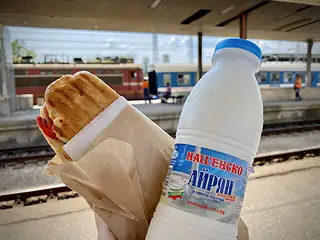
Sharon Hahn Darlin · CC BY 2.0 · Source

Ayran
"Айрян"
is a cold drink made of yoghurt, water and a pinch of salt.
The culture behind the words
"Айрян"
is a cold drink made of yoghurt, water and a pinch of salt.
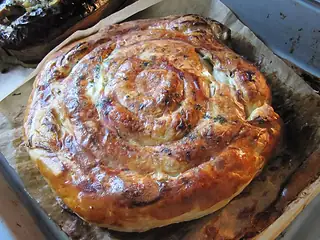
"Баница"
is thin layered pastry baked with eggs and "сирене"
(white brined cheese).
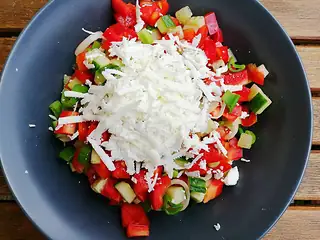
"Шопска салата"
— tomatoes, cucumbers, peppers and onion under a snowy mountain of grated "сирене"
— is the unofficial national dish.
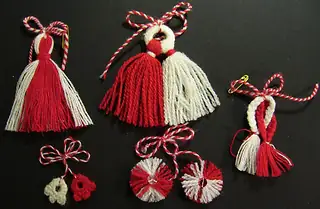
On 1 March Bulgarians give each other "мартеници"
— red-and-white tassels or bracelets — with the wish "Честита Баба Марта!"
.
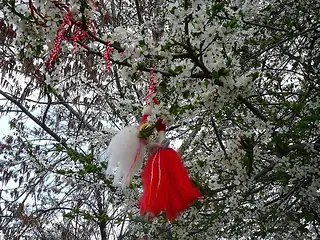
In folk tradition March is "Баба Марта"
— "Grandma March", a moody old woman.
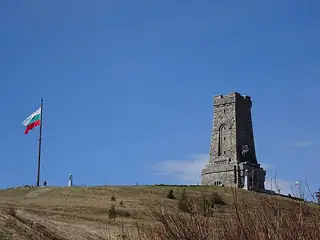
3 March is Bulgaria's national holiday — "Освобождението"
(the Liberation).
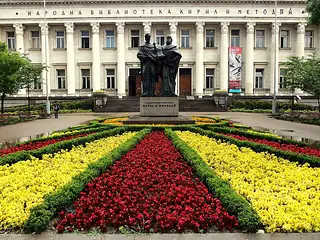
24 May is a celebration of Bulgarian letters, education and culture — for many Bulgarians the most beloved holiday.
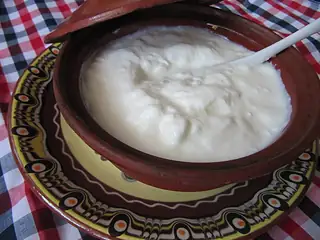
Bulgarians rarely say "йогурт"
— they say "кисело мляко"
, literally "sour milk".
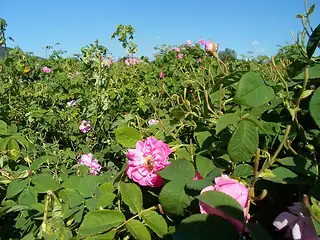
Between the Balkan Mountains and Sredna Gora lies "Долината на розите"
— the Rose Valley around Kazanlak and Karlovo.
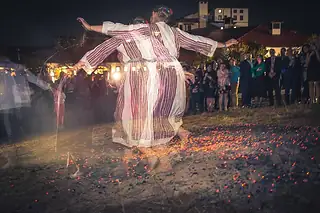
In a few villages of the Strandzha Mountains, "нестинари"
(fire dancers) dance barefoot on glowing embers — "жар"
— holding icons of Saints Constantine and Helena.
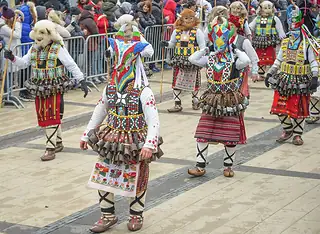
In winter, especially around New Year and before Lent, groups of "кукери"
go through towns and villages in huge masks, goat and sheep furs and heavy bells tied at the waist.
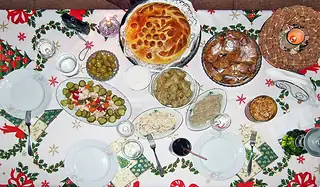
On 24 December — "Бъдни вечер"
— the family sits down to a meatless dinner with an odd number of dishes, often seven, nine or eleven: stuffed peppers, beans, "сарми"
(vine- or cabbage-leaf rolls), walnuts, "ошав"
(dried-fruit compote).
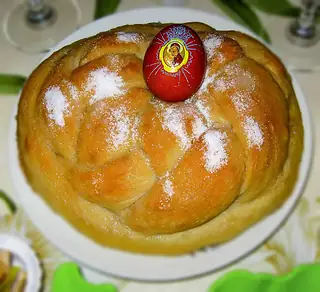
For "Великден"
(Easter) Bulgarians dye eggs on Holy Thursday or Saturday — the first one is always red.
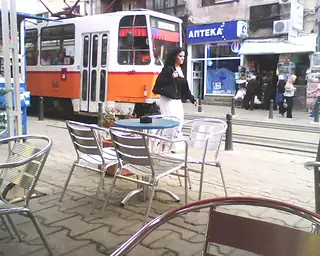
In Bulgaria "едно кафе"
means an espresso — short and strong.
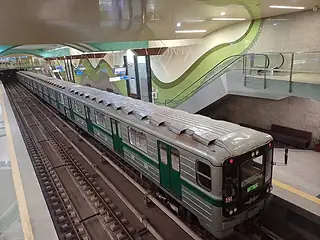
The Sofia metro is fast, clean and easy: several lines link the centre with the suburbs and the airport.
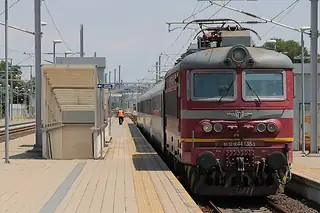
Bulgarian trains (run by БДЖ) are slow but cheap and scenic — the lines through the Iskar Gorge and the Rhodopes are beautiful.
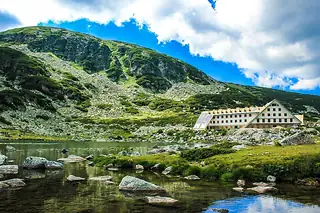
Bulgaria is a land of mountains: Rila, Pirin, the Rhodopes, Vitosha right above Sofia, and the long Balkan range, "Стара планина"
.
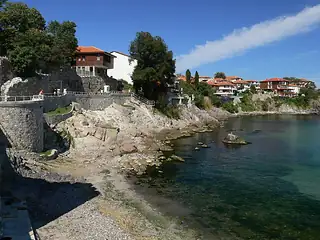
For Bulgarians, summer means "море"
.
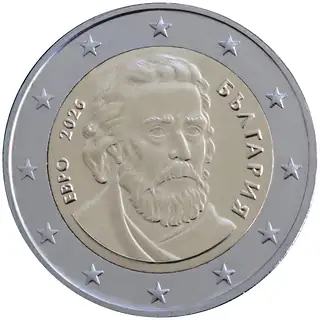
Since 1 January 2026 Bulgaria has used the euro.
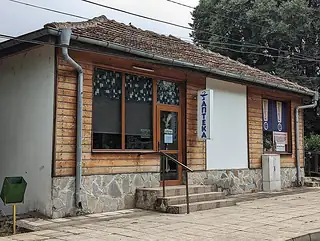
A green cross and the word "аптека"
mean you're in the right place — there's a pharmacy on almost every corner.
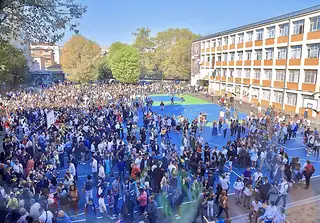
The school year usually starts on 15 September — "първият учебен ден"
(the first school day) is a celebration with flowers for the teacher.
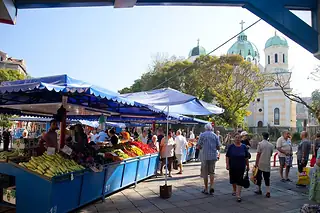
Every town has its "пазар"
(market), and many places have a weekly market day, often at the weekend.
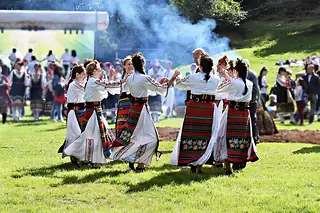
At weddings, fairs and holidays Bulgarians dance the "хоро"
— a chain of people holding hands or belts.

Bulgarians say "мерси"
all the time.

"Айде"
(or "хайде"
) is one of the most useful words in Bulgarian.
Traditionally, Bulgarians shake their head from side to side to mean "да"
(yes) and nod to mean "не"
(no).
Many Bulgarians celebrate their "имен ден"
(name day) — the church feast of the saint they're named after — just like a birthday.
Bulgarians love good wishes.

Strangers and business contacts shake hands and say "Здравейте!"
or "Добър ден!"
.
In restaurants a tip, "бакшиш"
, of about 10% is usual if you liked the service; in a café, rounding up is enough.

Bulgarian Cyrillic has a look of its own.

Bulgarians love diminutives — words made "small and sweet" with endings like "-че", "-ка", "-ичка"
.

"Лека нощ"
(literally "light night") is only for saying goodbye late in the evening or before bed — never as a greeting.

"Честито!"
is the all-purpose "congratulations!"

When you fully agree, say "Точно така!"
(exactly!) or "Така е"
(that's true).
"Бате"
originally means "big brother", but it's also a friendly way to address any man a bit older than you — a taxi driver, a neighbour, a stranger in the street: "Бате, къде е спирката?"
(mate, where's the stop?).

Look for the sign "Работно време"
(opening hours) on the door.

In Bulgaria, healthcare starts with your "личен лекар"
(personal doctor, GP), whom you choose and register with yourself.

In Bulgaria, two address terms are "постоянен адрес"
(permanent address, shown on the ID card) and "настоящ адрес"
(current address, where you actually live).

Bulgarians usually have three names: a first name, a middle name formed from the father's first name, and a surname — e.g. "Иван Георгиев Петров"
.

Bulgarian is a South Slavic language, closest to Macedonian and related to Serbian, Russian, Ukrainian, Polish and Czech.


