A1 · Unit 3
At the market
You'll buy fruit and vegetables and ask about prices.
New words
fruit
Usually plural: "плодове и зеленчуци"
— fruit and vegetables.
vegetable
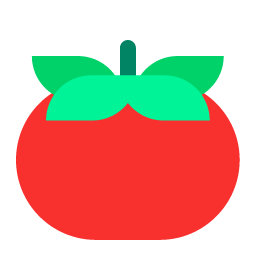 доматdomat
tomato
 краставицаkrastavitsa
cucumber
 ябълкаyabalka
apple
kilo
"едно кило домати"
— a kilo of tomatoes, with no word for "of".
half a kilo
How much is it?
For several things: "Колко струват?"
give me
Normal and polite at the market, especially with "моля"
.
yoghurt
Literally "sour milk" — the famous Bulgarian yoghurt.
fresh
Watch the vowel: "прясна"
, "прясно"
, but "пресни"
.
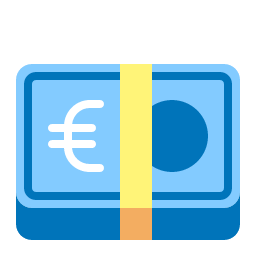 евроevro
euro
The form stays the same after numbers: "едно евро"
, "пет евро"
. Bulgaria has used the euro since 2026.
 центtsent
cent
Saturday at the market
Stallholder
Заповядайте! Пресни домати, пресни краставици!
Come and see! Fresh tomatoes, fresh cucumbers!
Колко струват доматите?
How much are the tomatoes?
Stallholder
По три евро килото.
Three euros a kilo.
Дайте ми половин кило, моля.
Half a kilo, please.
Stallholder
Нещо друго?
Anything else?
Да, едно кило ябълки.
Yes, a kilo of apples.
Stallholder
Общо четири евро и петдесет цента.
Four euros fifty in total.
Grammar
In the plural, "the" is usually "-те": "домати → доматите"
, "ябълки → ябълките"
, "плодове → плодовете"
. Plurals ending in "-а" take "-та": "кила → килата"
.
Краставиците са много пресни.
The cucumbers are very fresh.
Колко струват ябълките?
How much are the apples?
Examples
Колко струва едно кило домати?
How much is a kilo of tomatoes?
Дайте ми половин кило ябълки, моля.
Give me half a kilo of apples, please.
Доматите са по три евро килото.
The tomatoes are three euros a kilo.
Искам едно кисело мляко.
I'd like a yoghurt.
Плодовете и зеленчуците са български.
The fruit and vegetables are Bulgarian.
Две кила ябълки, моля.
Two kilos of apples, please.
Не, благодаря, това е всичко.
No, thanks, that's all.
Киселото мляко е българско.
The yoghurt is Bulgarian.