A1 · Unit 10
Clothes
You'll name your clothes and say what you wear.
New words
shirt
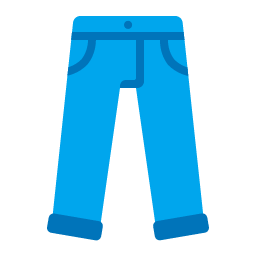 панталонpantalon
trousers
Singular in Bulgarian: "този панталон"
— these trousers.
 тенискаteniska
T-shirt
jumper
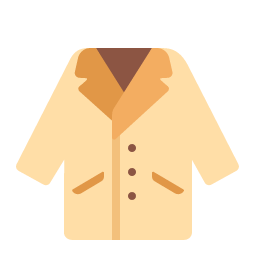 якеyake
jacket
In the plural, stress stays on "я": "яке → якета"
.
to wear
wardrobe
piece of clothing
Usually plural: "дрехи"
= clothes.
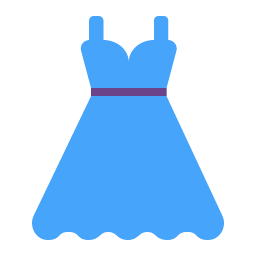 рокляroklya
dress
skirt
дънкиdankijeans
палтоpaltocoat
suit
jacket
 шортиshorti
shorts
 чорапchorap
sock
 бельоbelyo
underwear
pyjamas
tracksuit
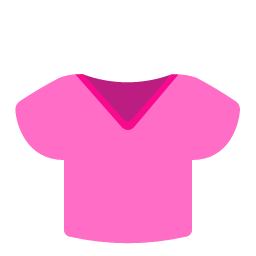 блузаbluza
top
Packing for the seaside
Mum
Лято е. Какви дрехи вземаш за морето?
It is summer. What clothes are you taking to the seaside?
Шорти, тениски и един пуловер.
Shorts, T-shirts and one jumper.
Mum
А пижама? И чорапи?
And pyjamas? And socks?
Да, пижамата и чорапите са в чантата.
Yes, the pyjamas and socks are in the bag.
Mum
Добре. А какво ще носиш вечер в ресторанта?
Good. And what will you wear in the restaurant in the evening?
Риза и панталон.
A shirt and trousers.
Mum
Много добре. Ще ти е хубаво!
Very good. You'll have a great time!
Grammar
Plurals: "рокля → рокли"
, "чорап → чорапи"
, "палто → палта"
, "сако → сака"
. Careful: "панталон"
(trousers) is singular, but "дънки"
and "шорти"
are always plural.
Панталонът ми е стар.
My trousers are old.
Нямам шорти, само дънки.
I don't have shorts, only jeans.
Examples
На работа нося костюм.
I wear a suit at work.
Роклята на Мария е червена.
Maria's dress is red.
Къде са ми чорапите?
Where are my socks?
Купих ново палто за зимата.
I bought a new coat for the winter.
Пижамата ми е на леглото.
My pyjamas are on the bed.
Дрехите са в гардероба.
The clothes are in the wardrobe.
Това сако е много скъпо.
This blazer is very expensive.
Никол няма поли — носи само панталони.
Nikol has no skirts — she only wears trousers.
В събота съм по пижама цял ден.
On Saturday I'm in my pyjamas all day.
Тази блуза е много топла.
This top is very warm.