B1 · Unit 4
Horo, bagpipe and uneven rhythms
You'll talk about folk music — and join the horo.
New words
folklore
folk music
bagpipe
 кавал
kaval
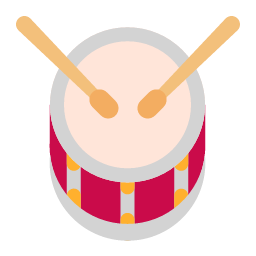 тъпан
large folk drum
rhythm
uneven
In music: odd, 'limping' metres like 7/8. Musicians' term: "неравноделни размери"
.
song
to sing
Past: "пях"; -л form: "пял", "пяла"
, "пели"
.
to play
An instrument: "свиря на гайда"
; a horo or football: "играя"
.
 певец
singer
For a woman: "певица"
.
folk costume
folk fair
to join the horo
Once, completed: "Хванах се на хорото"
— I joined the horo.
vote
Both "voice" and "vote": "Всеки глас е важен."
rachenitsa
horo
Careful: "хоро"
is the dance, "хора"
means people.
play
No preposition: "играя футбол"
, "играя табла"
.
 музикаmuzika
music
 сватба
wedding
village
"На село"
= in/to the village, the countryside.
At the village fair
Vera, a friend
Чуваш ли гайдата? Започва ръченица!
Hear the bagpipe? A rachenitsa is starting!
Чувам, но ритъмът е много странен.
I hear it, but the rhythm is really strange.
Vera, a friend
Не е странен, неравен е — 7/8. Брой „едно-две, едно-две, едно-две-три“.
It's not strange, it's uneven — 7/8. Count 'one-two, one-two, one-two-three'.
Едно-две… За първи път чувам такъв ритъм!
One-two… It's the first time I've heard such a rhythm!
Vera, a friend
А сега започва хоро. Айде, хващай се на хорото! Гледай краката на съседа.
Now a horo is starting. Come on, join in! Watch your neighbour's feet.
Добре, но ако се объркам, не се смей!
Okay, but if I get it wrong, don't laugh!
Vera, a friend
Никой няма да се смее, хорото е за всички. Браво, играеш страхотно!
Nobody will laugh — the horo is for everyone. Bravo, you're dancing brilliantly!
Благодаря! А кой свири на кавала?
Thanks! And who's playing the kaval?
Vera, a friend
Чичо ми. Преди да навърши двадесет години, той вече беше свирил на сто сватби!
My uncle. Before he turned twenty, he had already played at a hundred weddings!
Невероятно! Искам и аз да се науча да свиря.
Amazing! I want to learn to play too.
Grammar
In a negative, "не"
goes before "бях"
: "Не бях чувал такъв ритъм"
— I hadn't heard such a rhythm. In a question, "ли"
follows "бях"
: "Беше ли чувал за Копривщица?"
— Had you heard of Koprivshtitsa?
Когато стигнахме на събора, хорото вече беше започнало.
When we got to the fair, the horo had already started.
Никол никога не беше чувала такъв ритъм, преди да дойде в България.
Nicole had never heard such a rhythm before she came to Bulgaria.
The music of uneven rhythms
Ако чуете българска народна музика за първи път, може да ви се стори странна. Ритъмът често не е „едно-две“ или „едно-две-три“, а неравен: някои удари са по-къси, други — по-дълги. Ръченицата е в 7/8, пайдушкото хоро — в 5/8, а копаницата — дори в 11/16. Много българи играят тези хора от малки. Важни инструменти са гайдата, кавалът, гъдулката и тъпанът. Кавалът е дълга дървена флейта, на която от векове свирят овчарите. Гайдата има мех от кожа и свири без пауза. Родопската „каба гайда“ е по-голяма и звучи по-ниско. Българските гласове също са известни по света. През 1977 година песента „Излел е Дельо хайдутин“ в изпълнение на Валя Балканска беше изпратена в космоса с американска космическа сонда. По-късно много хора откриха и българските женски хорове — преди това малцина бяха чували за тях. Обикновено на всеки пет години в Копривщица се провежда голям народен събор. Хиляди певци и музиканти от цялата страна пеят, свирят и играят там в народни носии.
If you hear Bulgarian folk music for the first time, it may seem strange. The rhythm is often not 'one-two' or 'one-two-three' but uneven: some beats are shorter, others longer. The rachenitsa is in 7/8, the paydushko horo in 5/8, and the kopanitsa even in 11/16. Many Bulgarians have danced these horos since childhood. Important instruments are the gaida (bagpipe), the kaval, the gadulka and the tapan (drum). The kaval is a long wooden flute that shepherds have played for centuries. The gaida has a leather bag and plays without a pause. The Rhodope 'kaba gaida' is bigger and sounds lower. Bulgarian voices are famous around the world too. In 1977 the song 'Izlel e Delyo haydutin', performed by Valya Balkanska, was sent into space on an American space probe. Later many people also discovered Bulgarian women's choirs — before that, few had heard of them. Usually every five years a big folk festival is held in Koprivshtitsa. Thousands of singers and musicians from all over the country sing, play and dance there in folk costumes.
Examples
Българският фолклор е известен с неравните си ритми.
Bulgarian folklore is known for its uneven rhythms.
Ръченицата е в 7/8 — брои се „едно-две, едно-две, едно-две-три“.
The rachenitsa is in 7/8 — you count 'one-two, one-two, one-two-three'.
Дядо ми свиреше на кавал, а баба ми пееше народни песни.
My grandfather played the kaval, and my grandmother sang folk songs.
На сватбата свиреха гайда и тъпан, а хорото не спря до сутринта.
At the wedding a bagpipe and a drum played, and the horo didn't stop until morning.
Хващай се на хорото — стъпките са лесни!
Join the horo — the steps are easy!
Певицата пее с нисък и силен глас.
The singer sings in a low, strong voice.
Песента „Излел е Дельо хайдутин“ е изпратена в космоса през 1977 година.
The song 'Izlel e Delyo haydutin' was sent into space in 1977.
Много села пазят старите си носии и песни.
Many villages keep their old costumes and songs.
Свириш ли на някакъв инструмент?
Do you play any instrument?
Хорото е стара традиция, но и днес младите го играят на сватби и празници.
The horo is an old tradition, but young people still dance it at weddings and holidays today.